
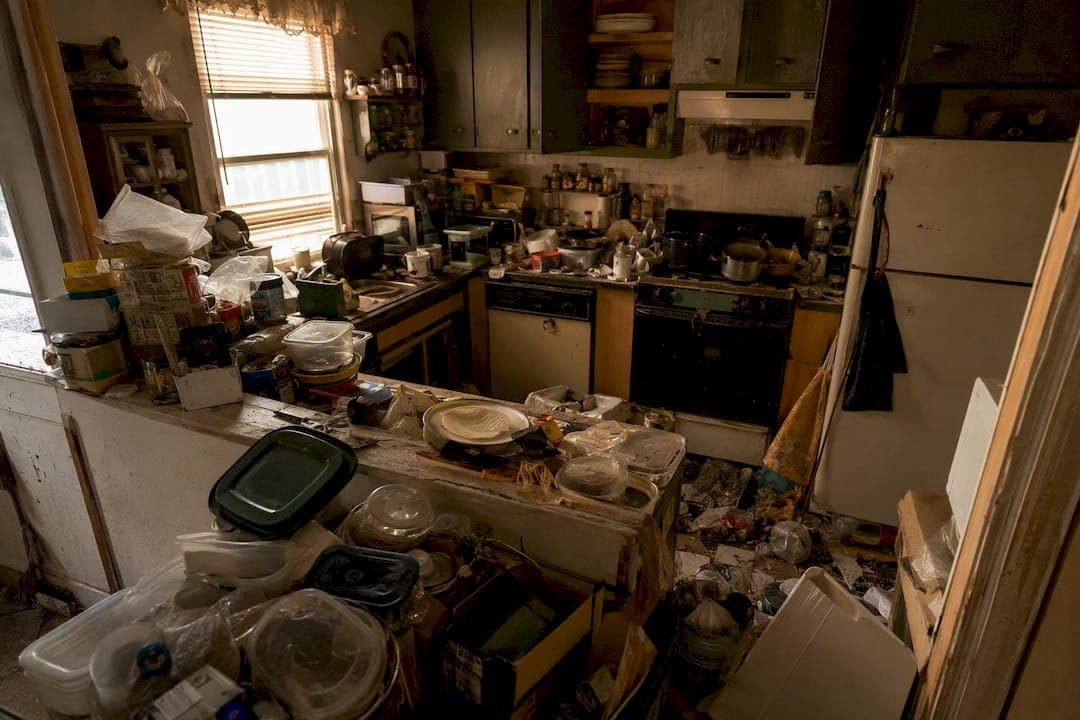
If you need speed or want to skip months of cleanup, selling a hoarder house as-is to a vetted cash buyer is usually the most practical move. If your real priority is maximum sale price and you have the time and cash to fund repairs, cleaning and listing traditionally may pay off instead. Either way, do two things first: secure irreplaceable documents and valuables, and photograph the property's condition room by room before anyone touches anything.
- Choose sell-as-is when you're facing foreclosure, probate deadlines, an out-of-state inheritance, or a property with structural or biohazard issues.
- Choose clean-and-list when the home sits in a strong market, repairs are cosmetic, and you can absorb weeks of carrying costs.
Quick fact: Cash sales on hoarder properties commonly close in 7 to 21 days, while rehab-and-list paths often stretch into months once cleanout, contractor scheduling, and staging are factored in. Also remember: sellers must disclose known material defects even in an as-is sale, regardless of which path you choose.
Key Takeaways
Selling a hoarder house successfully depends on matching the right path, as-is cash sale or cleanup-and-list, to your timeline, budget, and the property's actual condition.
| Point | Details |
|---|---|
| Secure valuables first | Photograph and remove irreplaceable documents and keepsakes before any cleanout begins. |
| Get real numbers before spending | Use an appraiser or two contractor bids to see if rehab actually pays off in your market. |
| Disclose known defects | Mold, structural issues, and pest problems must be disclosed in writing even in as-is sales. |
| Partial cleanups rarely pay off proportionally | Investors already price a full cleanout into their offer, so small DIY efforts rarely raise it much. |
| Cash sale offers speed and simplicity | Diamondhomebuyers provides written, no-obligation offers on homes as-is, handling cleanout after closing. |
Table of Contents
- How Do You Assess a Hoarder House Before You Sell It?
- What's the Step-by-Step Process for Selling a Hoarder House?
- What Does It Cost, and How Long Does Each Path Take?
- What Do You Legally Have to Disclose Before Selling?
- Which Professionals Should You Hire, and How Do You Vet Them?
- How Does a Cash Sale With Diamond Home Buyers Actually Work?
- What Are Your Alternatives to Selling the House Outright?
- Sources
How Do You Assess a Hoarder House Before You Sell It?
Before you decide anything, walk the property with a clear head and a checklist. What you find determines whether cleanup is worth the money or whether selling as-is protects you from throwing cash at a house that won't return it.
- Check for safety hazards first. Blocked exits, signs of rodents or pests, standing water, visible mold, and exposed or outdated wiring are red flags that need professional eyes, not a weekend of DIY.
- Get a real number on rehab costs. Bring in a licensed appraiser or collect two contractor bids before committing to cleanup. Real estate experts recommend doing this early specifically so you don't spend money on repairs you can't recoup at resale.
- Compare that cost against local comps. In a hot neighborhood with strong comparable sales, a full rehab might genuinely add more value than it costs. In a soft market, it rarely does.
Pro Tip: Ask the appraiser for a "value as repaired" and a "value as-is" side by side. Seeing both numbers on one page makes the decision almost make itself.
What's the Step-by-Step Process for Selling a Hoarder House?
Once you know your path, the work becomes a checklist instead of a mountain. Start here regardless of which direction you choose:
- Document everything with photos and video before anyone moves a single box.
- Secure valuables, financial records, jewelry, and personal keepsakes in a locked space or with a family member.
- Change the locks if the property has been vacant or occupants are unpredictable.
If you're cleaning and listing:
- Hire a licensed cleanout crew, and bring in bio-recovery specialists if there's sewage, animal waste, or heavy contamination.
- Fix structural and mold problems before cosmetic ones. Buyers' inspectors will flag those first.
- Get contractor bids in writing, then stage and list once the home shows well.
If you're selling as-is to a cash buyer:
- Collect more than one offer, and require every offer in writing with proof of funds attached.
- Disclose known defects honestly, even though you're selling as-is. This protects you legally.
- Pick a closing date that works for your timeline, whether that's fast or slightly delayed for probate paperwork.
If someone still lives in the home, ask about a leaseback, staged removal in phases, or coordinated remediation that lets the occupant transition with dignity rather than a forced deadline.
What Does It Cost, and How Long Does Each Path Take?
Cleanout costs scale with severity. A light cleanout of a single room runs far less than a whole-house biohazard job involving sewage or animal remains, which typically requires licensed bio-recovery teams rather than general labor. Mold remediation and structural repairs add separate cost layers on top of basic hauling and disposal.
- Cash sale timeline: often 7 to 21 days from offer to closing, with no repairs required.
- Rehab-and-list timeline: typically months, once you factor in cleanout scheduling, contractor availability, permitting, and staging.
- Carrying costs to include: property taxes, insurance, utilities, and loan payments for every month the house sits unsold.
Here's the part most sellers miss: investors already price a full professional cleanout into their offer before you ever call them. That means spending a few hundred dollars clearing a couple of rooms yourself rarely moves the offer by a proportional amount, because the buyer was going to budget for the whole job anyway. If you're going to invest in cleanup, it usually only pays off when you're going all the way to a market listing, not stopping halfway.
What Do You Legally Have to Disclose Before Selling?
Selling as-is doesn't erase your disclosure obligations. Sellers must still disclose known material defects, including mold, structural damage, and pest infestations, whether the buyer is a family down the street or an investment company. Skipping this step doesn't just risk a lawsuit later; it can unwind the sale entirely.
- Disclose known mold, structural issues, and pest problems in writing, not verbally.
- Watch for hazards that can trigger code enforcement: blocked exits, sewage backups, and animal remains are exactly the kind of conditions that prompt local code officials to step in.
- Keep photos, written disclosure forms, and any inspection reports on file. If a dispute ever comes up, paper trails protect you far better than memory does.
Pro Tip: Take dated photos of every disclosed issue before cleanup begins. It's the cheapest insurance policy you'll ever buy against a post-sale claim.
Which Professionals Should You Hire, and How Do You Vet Them?
You don't need every specialist on this list for every house, but knowing who does what saves you from hiring the wrong pro for the wrong job.
- Cleanout crew: hauls and sorts belongings, separates donations from trash.
- Bio-recovery specialist: handles sewage, animal remains, and severe contamination that general cleanout crews shouldn't touch.
- Mold inspector: identifies scope before you commit to remediation spending.
- Structural engineer: confirms whether foundation or framing issues are cosmetic or serious, which matters if you're weighing a foundation repair investment.
- Licensed contractor: quotes rehab work if you're going the list route.
- Appraiser or cash-buy specialist: gives you real numbers for either path.
Before hiring anyone, ask for proof of insurance, licensing, disposal policy, references, and a written estimate. Compare cleanout bids line by line. Some quotes include hauling fees and disposal costs; others tack those on later.
Pro Tip: A bid that seems unusually low often excludes disposal fees. Always ask what's included before you compare numbers side by side.
How Does a Cash Sale With Diamond Home Buyers Actually Work?
Diamondhomebuyers buys houses in Knoxville and East Tennessee exactly as they sit, clutter and all, and provides a written offer without requiring a single box moved first. That process removes the two biggest burdens hoarder-house sellers face: the physical cleanout and the financial risk of rehab spending that doesn't pay off.
- You get a written, no-obligation offer, often within minutes of a walkthrough.
- Diamondhomebuyers handles cleanout and remediation after purchase, not before.
- Proof of funds is available on request, so you're not guessing whether the buyer can actually close.
This route tends to fit sellers facing foreclosure timelines, probate deadlines, or a property too damaged or emotionally heavy to manage alone. Whichever cash buyer you talk to, ask for a written offer, proof of funds, a firm timeline, and clarity on who's responsible for leftover contents. You can run your own numbers first with a cash offer calculator before any conversation starts.
| Path | Best fit |
|---|---|
| Sell as-is to a cash buyer | Foreclosure risk, probate deadlines, biohazard conditions, low emotional bandwidth |
| Clean and list traditionally | Strong local market, cosmetic-only issues, time and cash to fund repairs |
What Are Your Alternatives to Selling the House Outright?
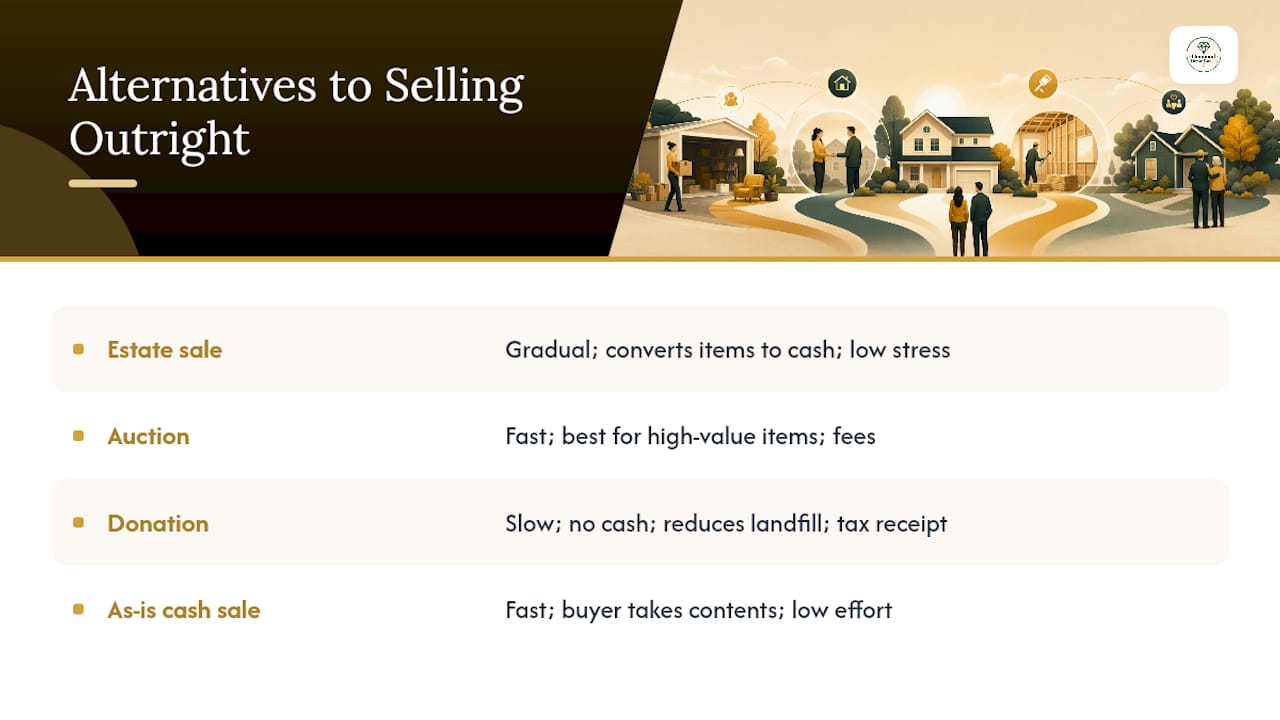
Selling isn't the only path, and for some families it isn't even the first step. An estate sale can convert usable furniture, tools, and collectibles into cash before you touch the real estate decision at all, and it's often the most emotionally manageable option because it happens gradually, room by room.

Auctions work well for specific high-value items, antiques, vehicles, or equipment, when you want a fast sale at fair market value without haggling over price. They're less useful for the bulk of ordinary household clutter, where auction fees can eat more than the items are worth.
Donation is the quiet workhorse of any hoarder cleanout. Organizations like Goodwill or local shelters will often take usable furniture, clothing, and household goods, sometimes with pickup service for larger loads. Donating reduces landfill costs and can provide a tax deduction if you keep receipts.

None of these alternatives replace selling the house itself, but they can meaningfully reduce what a cleanout crew has to haul, which lowers your cleanout bid if you're heading toward a rehab-and-list path. If you're heading toward an as-is cash sale instead, none of this matters much: the buyer handles contents after closing, which is often the whole point of choosing that route in the first place.
A Personal Note on Handling This With Care
Hoarding situations carry real grief, whether it's a parent's home or your own. The American Psychiatric Association frames hoarding as a genuine mental health condition, not a character flaw, and that context matters when you're the one holding the keys. My honest advice: secure the irreplaceables first, photograph everything before it's gone, and let the practical checklist carry you when emotion can't.
— Jason
Get a No-Obligation Cash Offer From Diamond Home Buyers
Diamondhomebuyers is the alternative to months of cleanout crews, contractor bids, and open-house scheduling. Instead of spending weeks preparing a hoarder house for buyers who may still walk away at inspection, you get a written cash offer based on the home's current condition, clutter included.
Requesting an offer takes minutes. Have the property address, a rough summary of its condition, and your mortgage status ready, and Diamondhomebuyers will walk the property and respond with a written, no-obligation number. There's no cost to ask, no pressure to accept, and closing dates flex around your timeline, whether that's a probate deadline or a foreclosure clock. If you're ready to see what your house is worth as-is, request your cash offer today and find out where you stand before you commit to a single cleanout dollar.
Sources
- Fairfax County hoarding guidance
- American Psychiatric Association — hoarding disorder overview
- Realtor